In the National Office: Thomas Harrison
Let's find out who's who ...

A conversation with Thomas
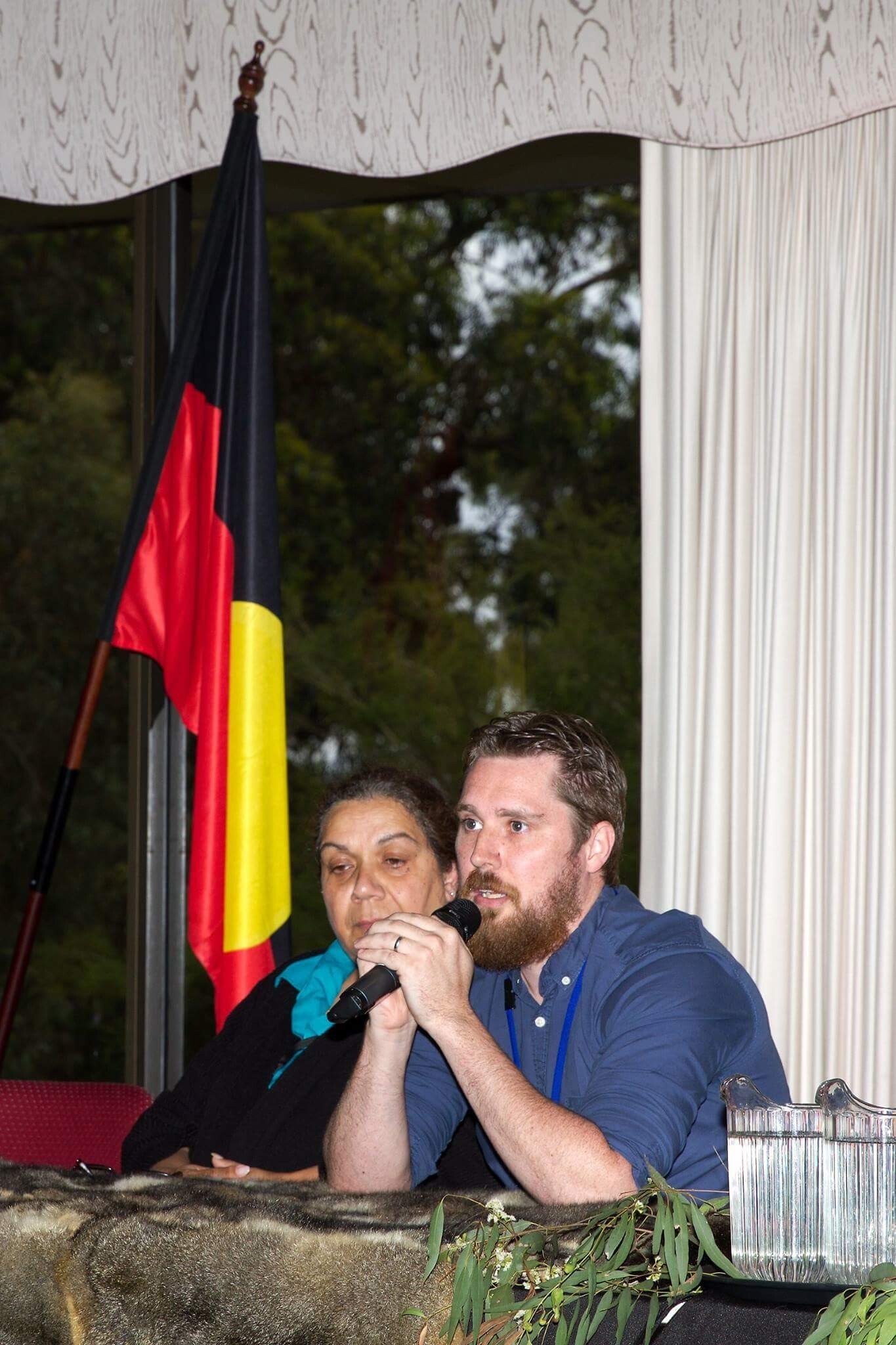
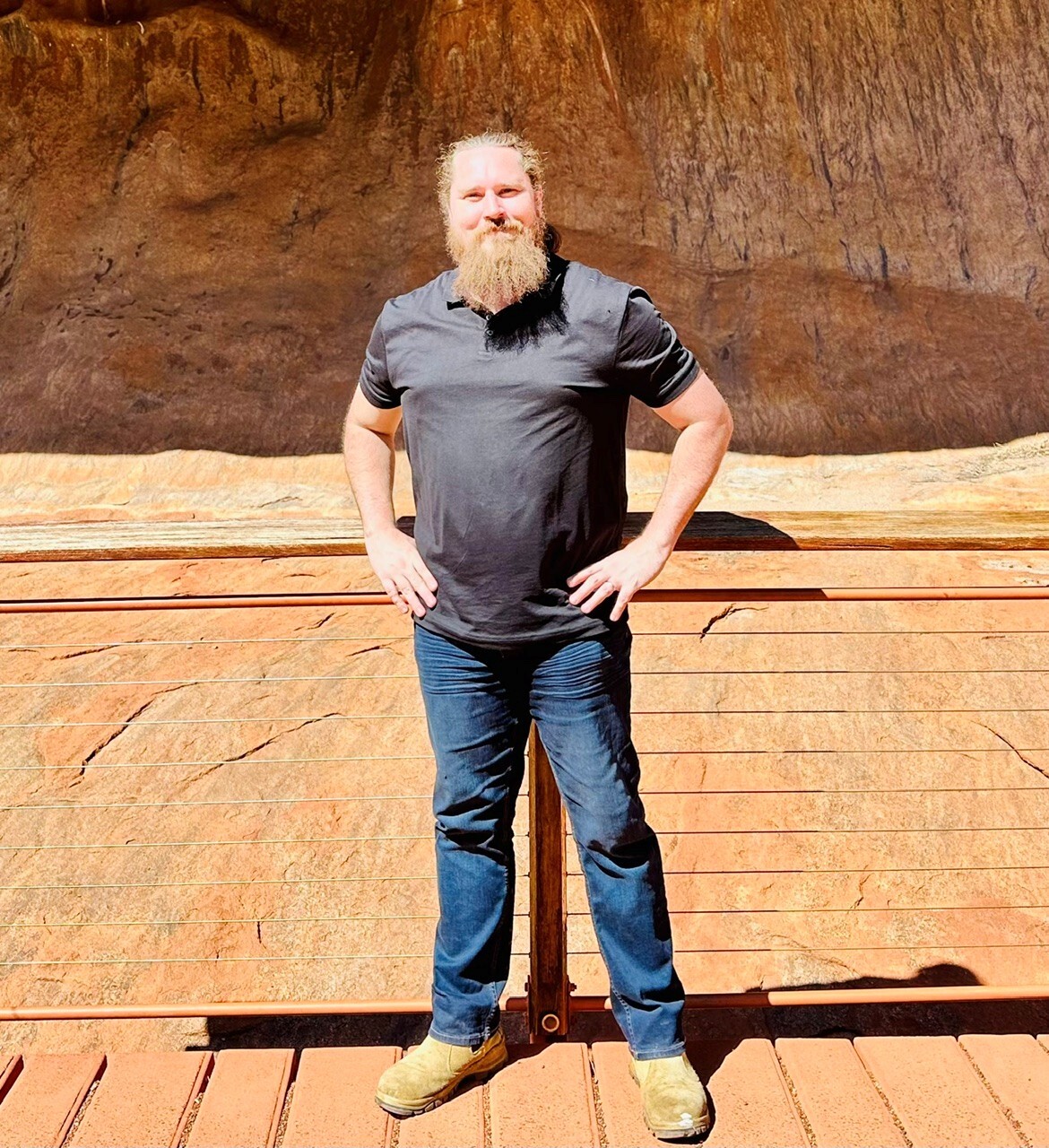
This month, we catch up with Thomas Harrison, a proud Yorta Yorta and Dja Dja Wurrung man and HIPPY's newest First Nations Site Advisor.
He brings more than 21 years of community work across Victoria, a philosophy shaped early by his grandmother's wisdom, and a way of showing up for people that makes a 21-year career feel entirely beside the point.
Thomas, as part of the HIPPY National office team, what does your day-to-day work involve?
I joined HIPPY in March 2026 as a First Nations HIPPY Site Advisor. My role is to support First Nations sites across the country and help ensure communities can deliver HIPPY in ways that are culturally responsive and truly community-led.
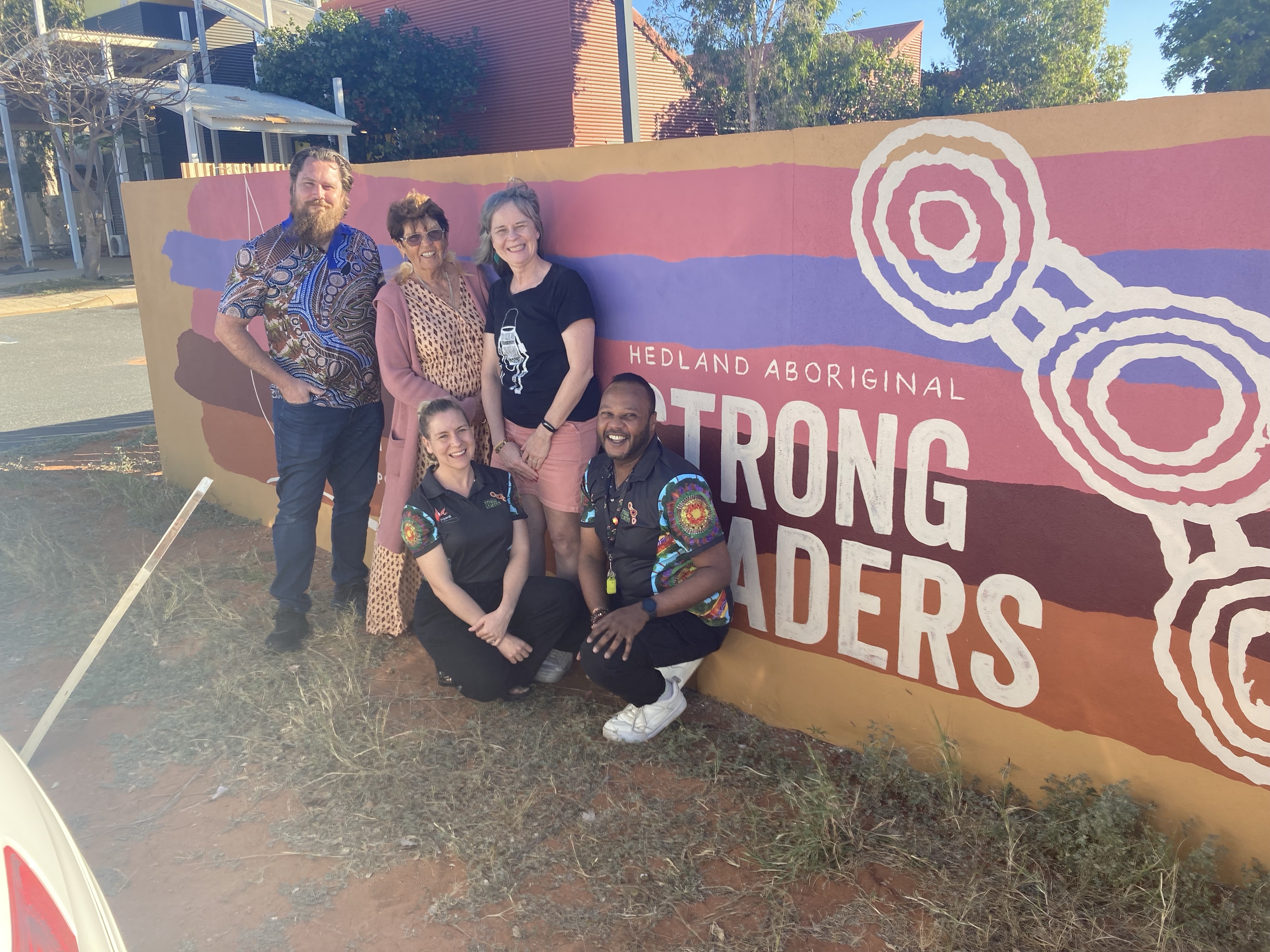
Having just returned from Port Hedland last week, I am proud to say I have now covered every state of this vast country.
Each day looks different, and that is one of the things I love most about it.
A big part of the work is building relationships: with Coordinators, with Tutors, with community.
Listening deeply. Learning firsthand how different sites are adapting the HIPPY model to suit their local context.
In Port Hedland, I saw how powerfully community comes together for HIPPY. Some families meet one-on-one at home. Others gather outdoors, or at schools.
In some places, HIPPY activities happen on the grass at school pickup; families learning together in a shared space. What stood out most was the wraparound support. Services working together, not in isolation.
That reflects something deeply embedded in many First Nations cultures: raising children is a shared responsibility.
When I connect with a site, I always begin with the same questions: What are your successes? What is working well? What are the areas we still want to strengthen? I never use the words "failure" or "shortcomings."
I say not yet successes. It is about focusing on growth, possibility, and continuous learning.
I have also learned, throughout my career, that we need to look beyond assumptions.
A loving home does not always look the way society often imagines it.
During my travels, I have seen families facing real challenges...and children who are deeply loved, supported and cared for.
The most important question is never whether a family looks a certain way. It is: what support do they need to build on the strengths they already have? That is where HIPPY makes such a difference.
Which of the four HIPPY outcome areas resonate the most to you, and why?
Without hesitation, Parents as First Teachers.
It is what drew me to HIPPY in the first place.
When my youngest daughter was born, I spent time as the stay-at-home parent. We filled our days exploring and learning together; painting, collecting gum leaves, making art, playing. Those everyday moments taught me a great deal about how children learn.
I noticed early signs that my daughter absorbed information best in small bursts. That time with her helped me identify some speech and communication needs early. It gave me valuable insights to share with her teachers when she started kindergarten.
Parents know their children better than anyone.
HIPPY helps parents recognise the learning they are already facilitating every single day.
Because, learning is not only academic.
It is so much more. It is counting plates and cutlery when setting the table. It is teaching responsibility, for self, for peers, for community. It is learning from Elders, learning through conversation, learning from each other.
Many parents do not realise just how much teaching they are already doing.
HIPPY helps give language and confidence to those skills.
I think about my own grandmother here. In all her wisdom, she recognised early that I had a gift for listening and for teaching.
She never overloaded (sic. us) with information. She shared knowledge gradually, in small pieces, over time, allowing me to absorb it, reflect on it, and be ready for the next lesson.
That is the approach I try to carry into everything I do.
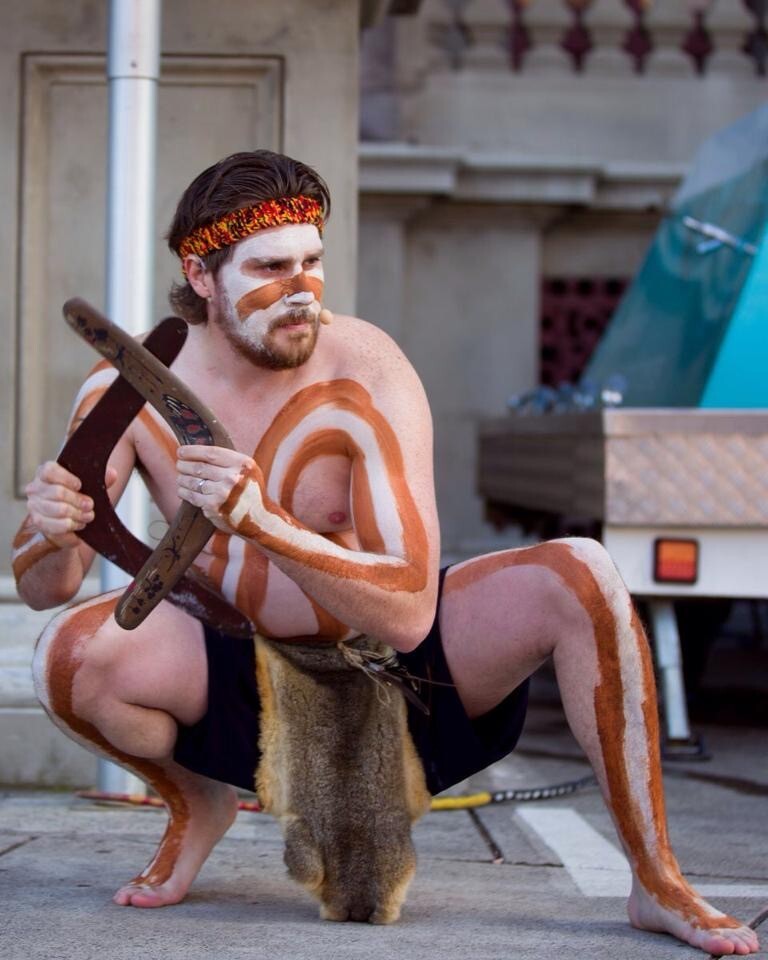
Learning has also always been connected to the senses for me. I remember the smell of burning gum leaves. The sound of clapsticks. The feeling of a possum skin cloak wrapped around my hands.
Those sensory experiences made learning real in a way that no amount of instruction alone could.
Our Elders understood this long before anyone spoke of sensory gardens or movement breaks.
Children learn best when they can see, hear, touch and experience. You can tell someone about a possum skin cloak, but when they can hold one, the learning becomes something else entirely!
That is one of the reasons I value the flexibility HIPPY brings, and the importance it places on Everywhere Learning.
Learning can happen indoors, outdoors, on Country, at the beach, at community gatherings, in family spaces. Removing the walls, literally and figuratively, creates new possibilities.