Around the Grounds with Mel, HIPPY Hervey Bay
Conversation with HIPPY Program Coordinator, Melanie Jefferson, CQID.
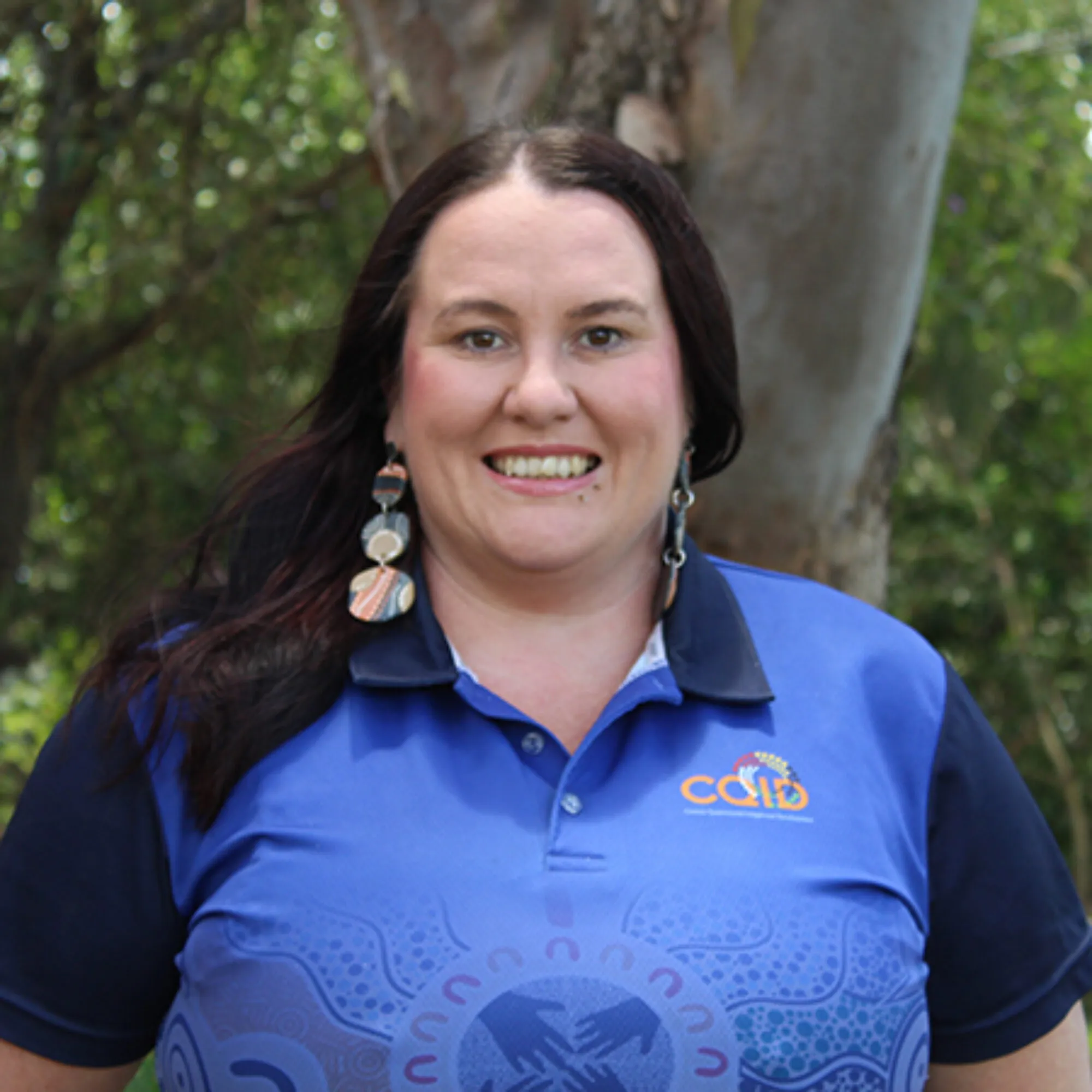
Around the Grounds: Melanie Jefferson, HIPPY Hervey Bay
Meeting Families Where They're At: Connection, Culture and Community at HIPPY Hervey Bay
This month, we sat down with HIPPY Hervey Bay's Coordinator, Melanie Jefferson, known to everyone simply as Mel, to talk through a big year for her site: a community-wide Welcome to Baby Festival, a Tutor team she's fiercely proud of, and a philosophy of "meeting families where they're at" that shapes everything from a first cup of coffee to how she leads her team.

If you had to sum up HIPPY in one word, what would it be?
"Connection," Mel says, without hesitation. It's a word she's earned: Melanie came to HIPPY as a parent, became a Tutor, and now leads HIPPY Hervey Bay as Coordinator. This means she knows how the program lands, from every side of the table.
"We might have three cups of coffee and a few conversations with a family before I even bring out what HIPPY is," she explains. "You need that authentic rapport for them to stay engaged, or feel comfortable enough to say, 'I don't think I can do this anymore,' before disengagement actually happens."
You need that authentic rapport before disengagement happens
Tell us about the Welcome to Baby Festival, how did it come together?
It started as an idea from the local alliance coordinator, who mentioned wanting to replicate an event she'd recently attended in North Queensland. A colleague supporting First Nations families from zero to five and I were at the meeting, and we were quick to recognise the opportunity it presented.
We could have leapt across the table; we were so excited
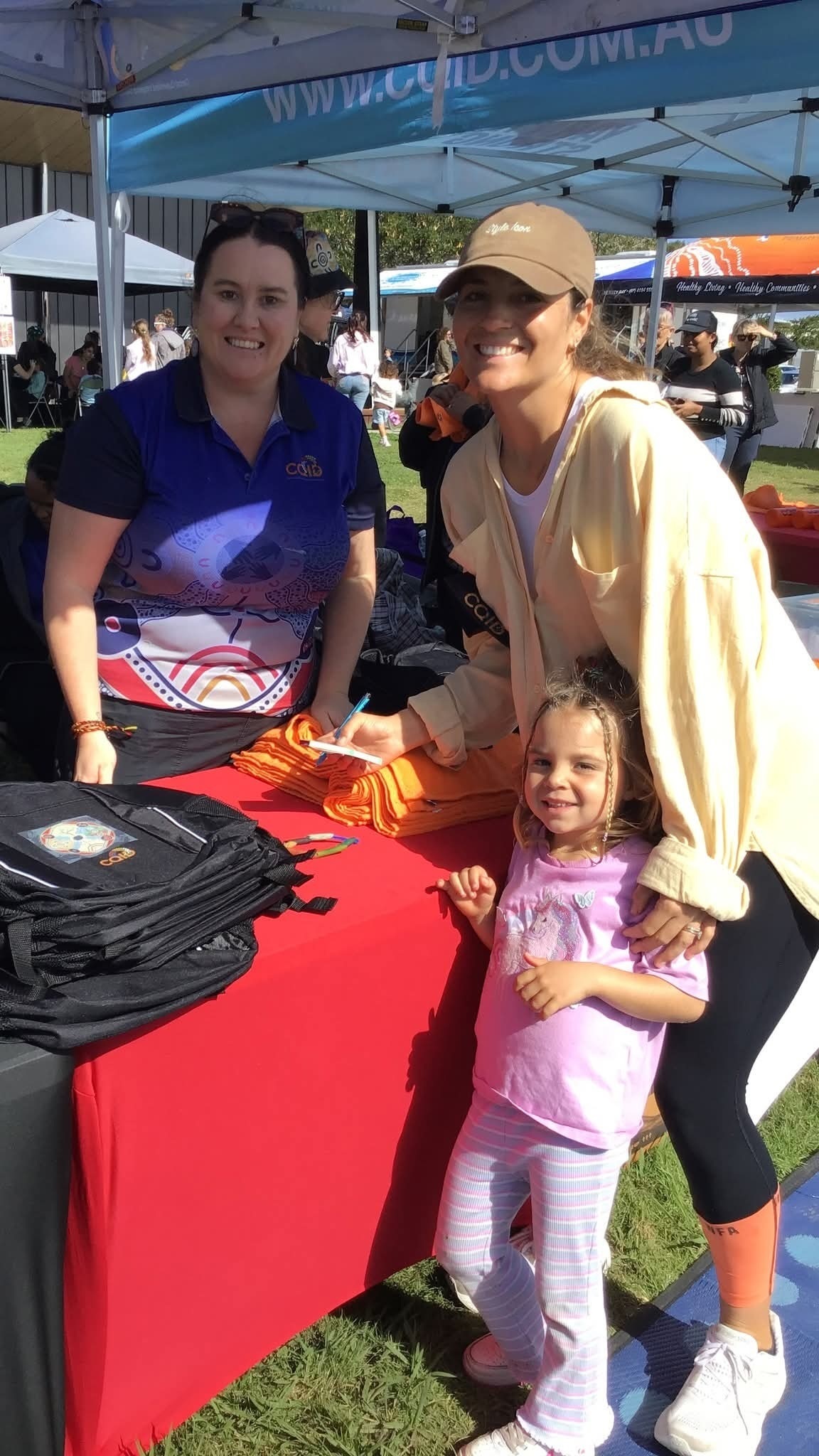
Mel recalls, "What began as an offhand conversation grew into a weekly working group of early-years services meeting for four months. The event was hosted by Act for Kids and Central Queensland Indigenous Development Ltd. (CQID)
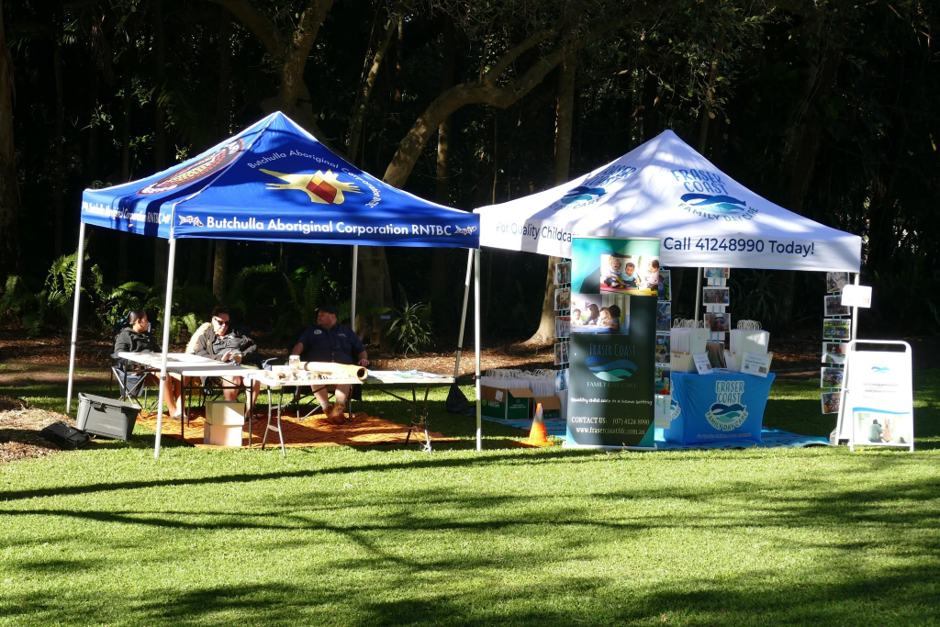
It was backed by Butchulla Native Title Aboriginal Corporation (BNTAC), Butchulla Aboriginal Corporation (BAC), Family & Child Connect, First 5 Forever, Anglicare, Child Health, and Galangoor Duwalami Primary Healthcare, among others."
What did the day itself look like?
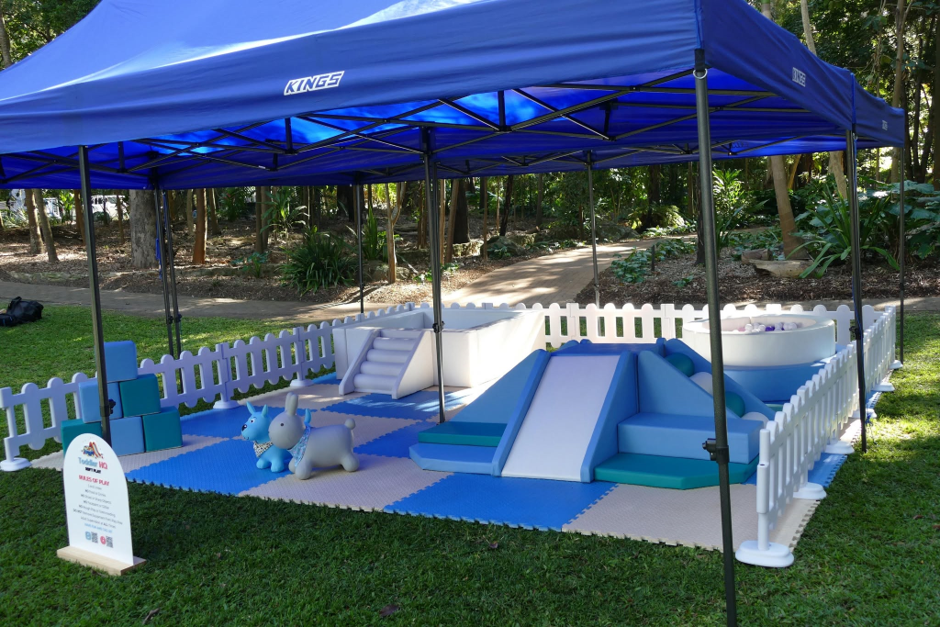
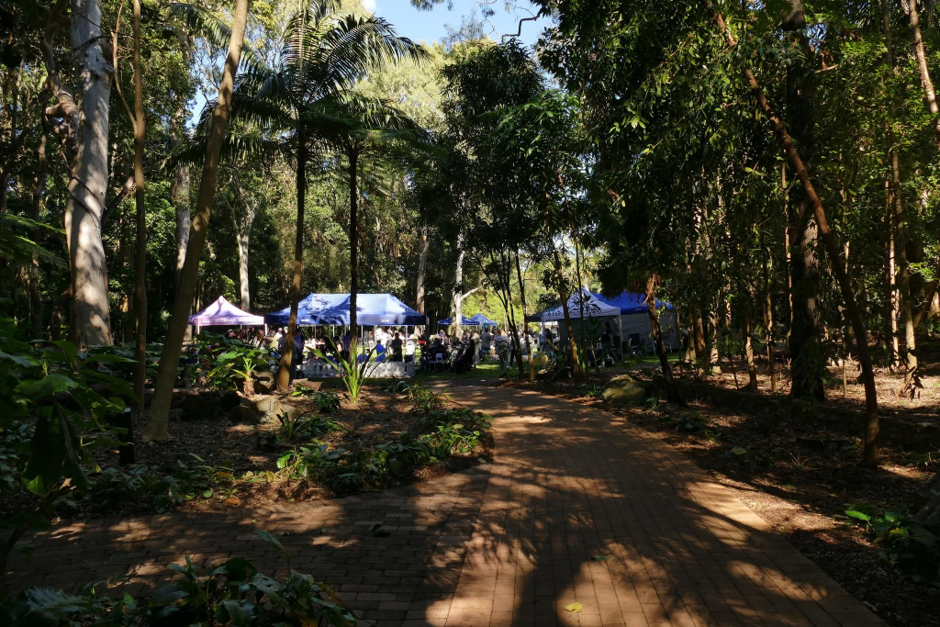
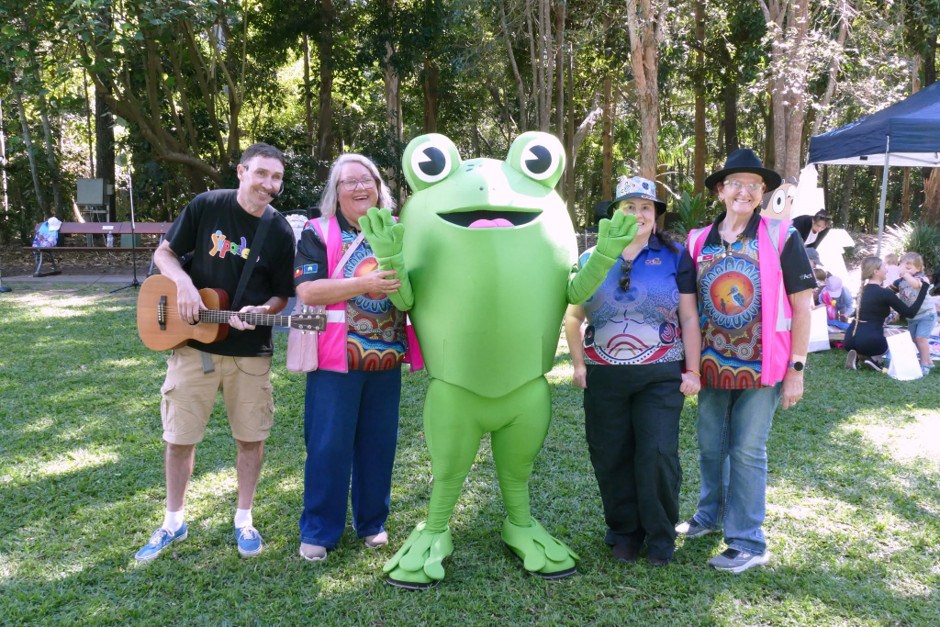
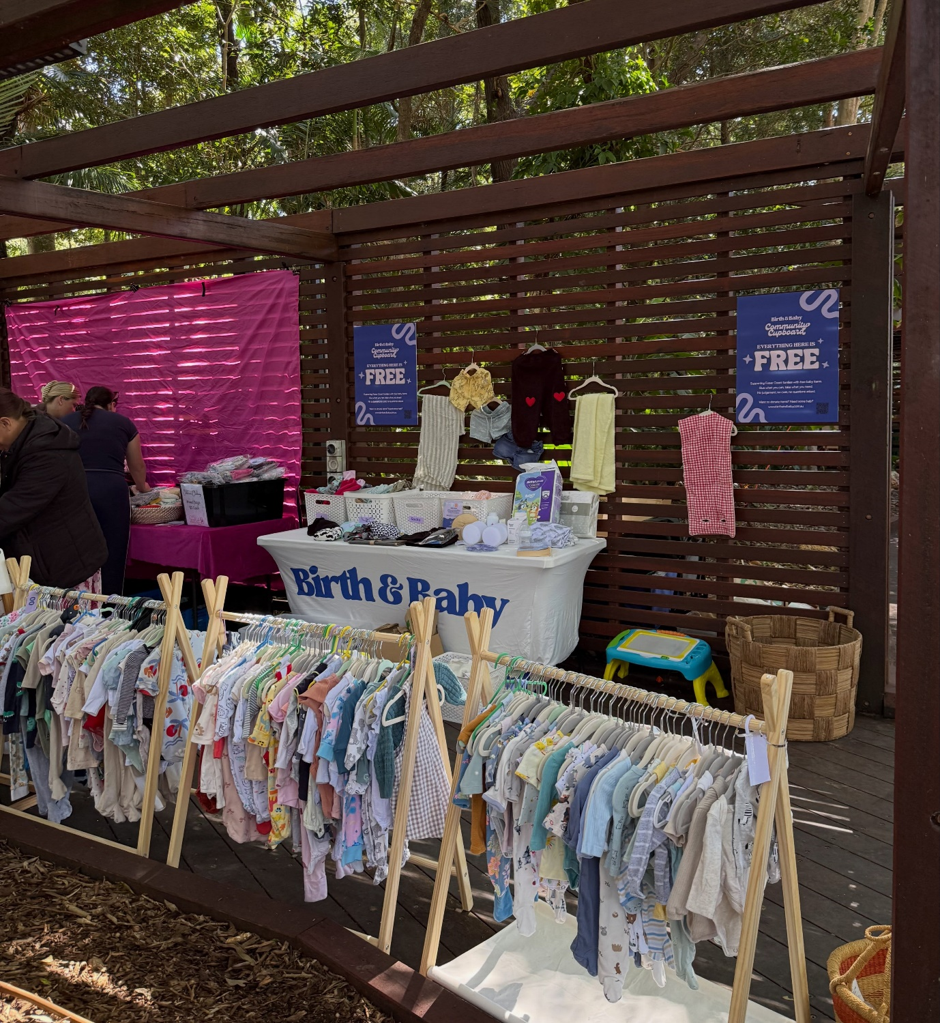
Held in Hervey Bay's botanical gardens and timed to land on National Aboriginal and Torres Strait Islander Children's Day, the festival was built entirely around removing barriers. We picked the venue with the deliberate intention of providing a wide-open, calm, grounding outdoor space. Every stallholder brought a free, tangible activity that the family could take home. Most importantly, we ensured that no family had to spend money, thereby removing cost pressure and constraints on the community.
HIPPY's own contribution combined culture and craft: a pasta-necklace station using the Aboriginal and Torres Strait Islander flag colours, and an air-dry clay hand (and foot!) print station for the under-threes.
We took many factors into consideration: a local food vendor tailored her charcuterie cart to suit small children; there were free coffees for the first hundred people through the gate, a privacy-conscious breastfeeding tent, paramedics running quick first-aid tips, jumping castles and a petting zoo.
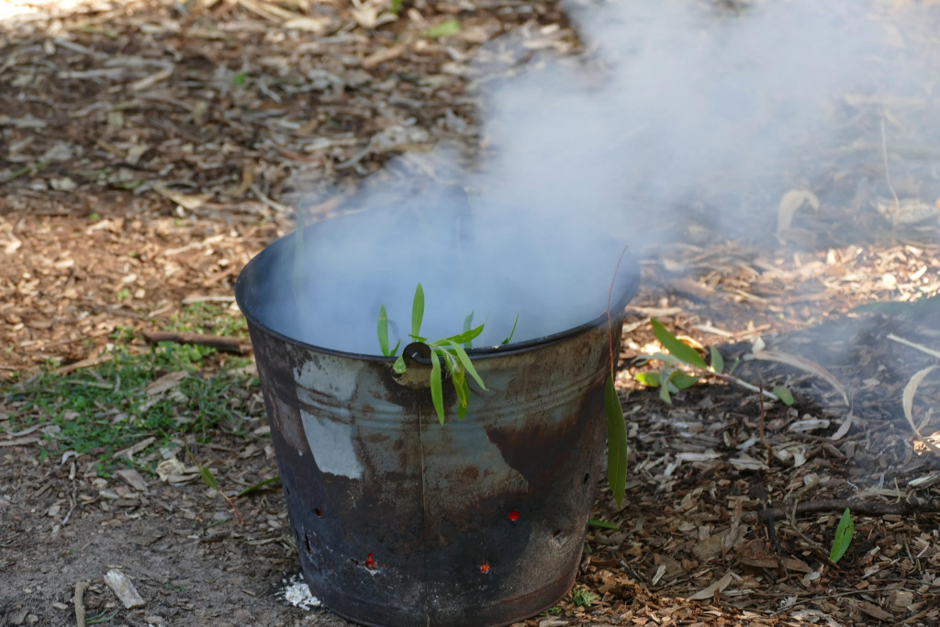
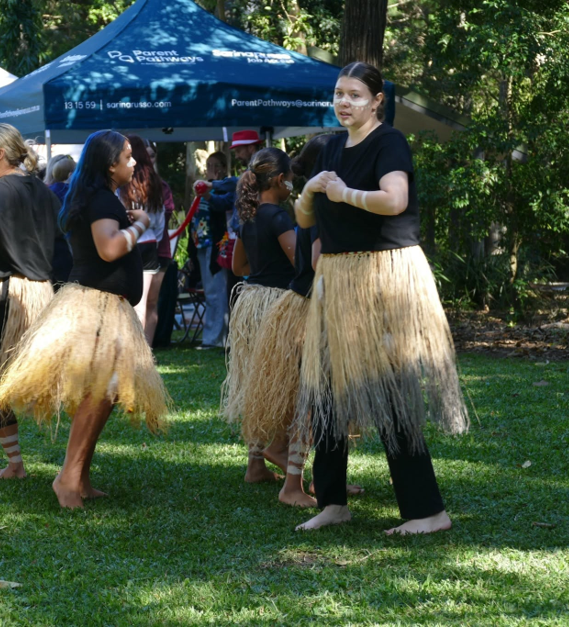
The day opened with a Welcome to Country and smoking ceremony led by Uncle Travis of BNTAC, followed by a BAC dance performance spanning toddlers who had just begun to walk to adults. "No one was forced to participate; it was very organic," Mel says of the ceremony, "but anyone who wanted to walk through and receive a blessing could."
That was just so beautiful to watch. So connected, and so well received by the community
 |  |  |
 |  |  |
Tell me more about what this has paved the way forward for
The event drew a multi-generational crowd, grandmothers, aunties and kinship carers as much as parents, and generated eight expressions of interest for next year's intake.
It was also valuable in the way it has reopened doors with other services.
It's opened up referral pathways and invitations
One community partner has since invited her to bring HIPPY along to their playgroup twice, with a return visit booked for late October.
"Some of those families might not be ready for HIPPY yet because the children are too young, but it's building that reputation, so that when the time comes, they know where to find me."
I heard that you work very closely with the local library, who even drop into Gatherings, talk to me a bit more about this relationship
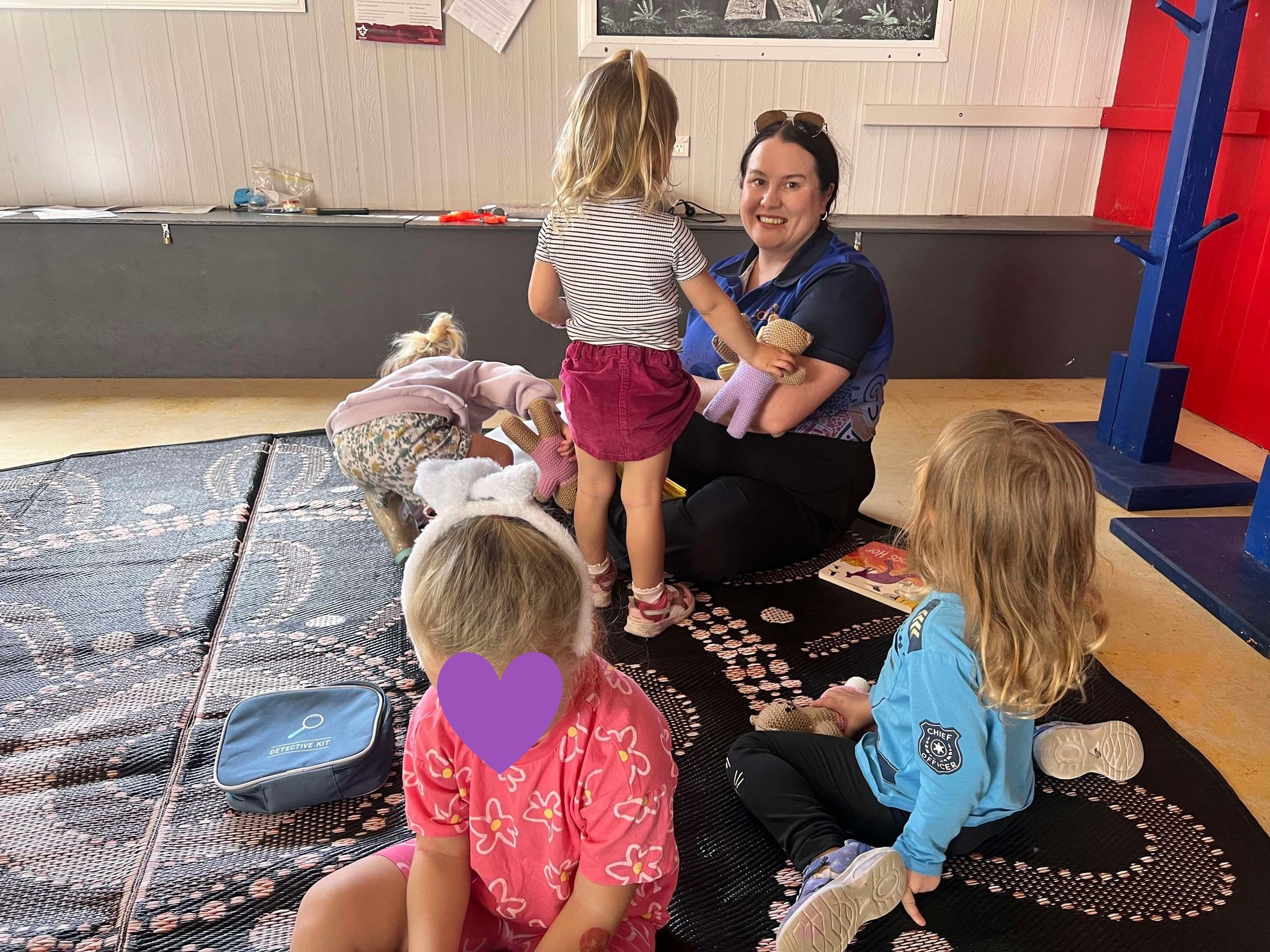
We have a standing partnership with Fraser Coast Libraries, through the First Five Forever program. They bring a mobile setup to the site’s Gatherings roughly once a month. They also bring an oversized picture book to read aloud, a couple of themed songs to get everyone moving, and usually hand puppets to arrest attention.
It is timed at the end of the session as a natural wind-down while the team quietly packs up.
They often leave things behind for parents to take home: craft packs, information flyers etc. For example, the latest one was themed around 'Five Speckled Frogs', and families received a set of puppets and music sheets,
It benefits everyone. Libraries meet their targets for families serviced; it’s enrichment for our families at no cost to us, and it’s promoting early literacy, that love of reading, in a really fun, play-based way
You have a small team at HIPPY Hervey Bay, tell us about your team.
I currently have four Tutors: two in the Age 3 cohort, two in Age 4, all of whom have come through HIPPY themselves, either as graduated parents or current participants.
My leadership style leans on modelling vulnerability rather than authority. "The more I show them it's okay to be human, to say, 'I'm having a rough morning, but I'll be okay', the easier it makes it for all of us to bring our whole selves to work, and everyone knows there is space for learning and asking questions."
Mel is deliberate about adapting to each Tutor rather than treating them the same
They’re as different as chalk and cheese and lift each other up in different ways. There are no assumptions or miscommunication
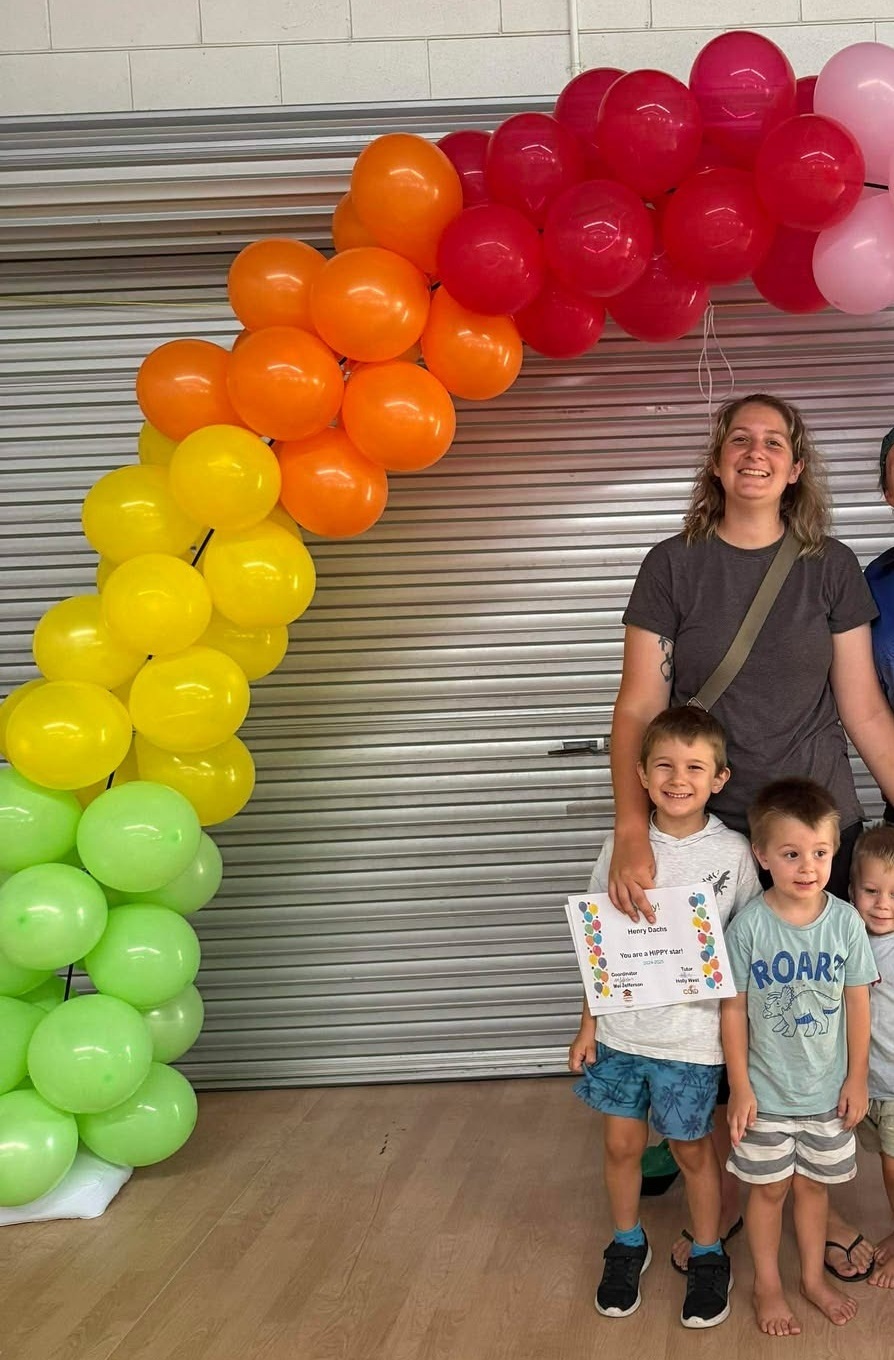
With one Age 4 Tutor recently moving into a full-time Family Wellbeing role within CQID, Mel's remaining Age 4 Tutor, Hailley, has stepped up to mentor the incoming Age 3 cohort, showing them "how to do the shopping, how to prep the food, because I'm not going to be here next year and you guys are going to step up."
Growing people is probably my most favourite part of HIPPY, and it comes from knowing what the program did for me. I've learnt not to react to new Tutors mentioning what they think are limitations.
Because I want to say, yes you can and you will! You wait till a month from now, two months, three months; you’re not going to be the same person
Instead, I go at their pace, and then gently say, "Actually, no, you can," or "you might not be able to do it YET"
My standing argument is: “You deal with multiple personalities in your house; you deal with conflict and noise. Channel how you deal with that and apply it to the workplace.”
I was told to specifically ask about your innovative thinking and the Street library mapping you and your team did. Please do share!
Mel laughs and gleefully shares: "Last year, the team mapped every street library in Hervey Bay, then went and put a 'Come-and-try HIPPY' pack in each one, with QR codes and flyers. It generated a run of expressions of interest!
It was such a great idea, we'll do it again soon
Finally, if you had to leave us with an inspiring HIPPY Hervey Bay story, what would it be?
One of the most inspiring Tutor pathways stories from the site belongs to Demi.
Demi joined HIPPY as a parent in 2023 and graduated at the end of 2024. She applied for a Tutor position soon after, beginning her journey as an Age 4 Tutor in 2025, quickly building strong relationships with families and approaching complex needs with compassion and professionalism. Partnering closely with a Family Wellbeing Officer on one family's case gave Demi a firsthand look at what coordinated, wrap-around support can achieve, and set her on a new path.
When a full-time role opened in CQID's Family Wellbeing Program in July 2026, I had no hesitation backing her application. A six-week transition plan ensured continuity for HIPPY families while Demi built the skills for her new role. Demi is now thriving as a Family Wellbeing Case Officer.
Demi's story is a wonderful example of the HIPPY Pathways to Possibilities program. It demonstrates how, with encouragement, opportunity and support, parents can discover their strengths and build meaningful careers that create lasting impact in their communities