Out and About with Sharon Kouryialas
HIPPY Fist Nations Network Site Advisor
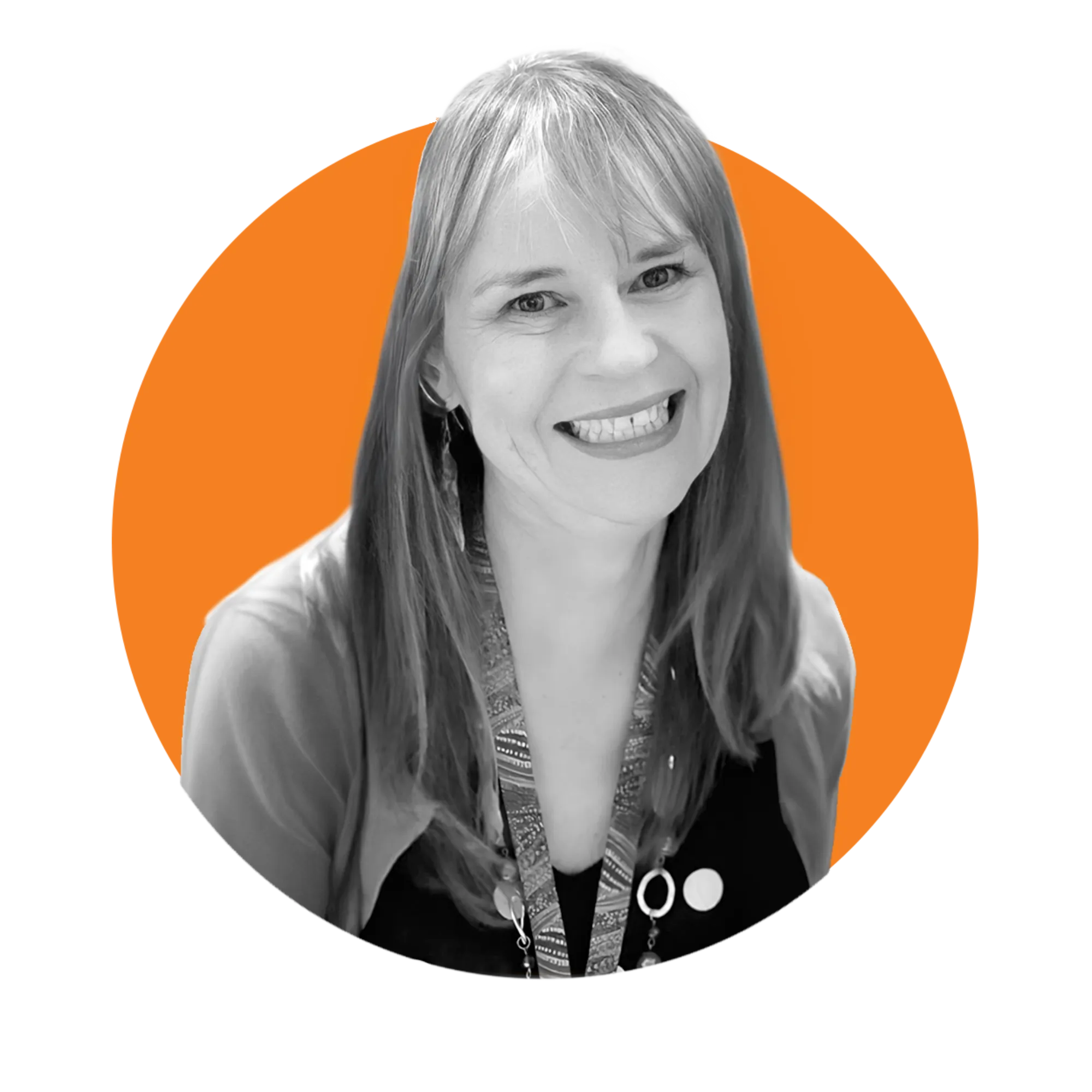
Early Year Educator who loves building community capability
Sharon brings over two decades in education, a love for coaching, and community development to her role as a HIPPY Australia Site Advisor.
Based in Naarm (Melbourne), Sharon works collaboratively with 13 local delivery sites nationwide, ensuring high-quality program implementation, compliance and support delivery.
Born and raised in Naarm, Sharon spent 20 years as a primary school teacher, stepping into leadership, coaching, and program development roles with a core focus on Early Years numeracy. Transitioning into a Working and Learning role with BSL in 2021, she found her way to HIPPY in 2023.
Sharon's approach is grounded in collaboration, active listening, and reflective practice. Her work is also shaped by influential educational mentors and a passion for creating creative, empowering spaces where communities can thrive, and a commitment to both social justice and embedding First Nations ways of learning into early childhood environments.
Tell us about your personal journey and what brought you to this role with HIPPY?
To me, being in this space means everything. My personal background and my early travel, combined with a lifelong appreciation for First Peoples' music, art, and storytelling, have deeply instilled in me a passion for multicultural communities and the rights of all Australians.
I spent 20 years as a primary school teacher, moving into leadership, coaching, and program development roles with a strong focus on Early Years numeracy. Over time with HIPPY, too, the through-line has always been the same, supporting people to learn, build capacity, and reach shared goalsI view my work through the lens of inclusion, equity, and belonging. It's always about creating a safe space where people know you are walking with them, not ahead of them.
You're the link between the National Office and your sites. How would you describe what that relationship actually looks like in practice?
Building on what I said earlier, I think of it as walking alongside people, not ahead of them. My background is in education, and that shapes everything! I come in curious, ready to listen, and genuinely interested in what's working for a community before I offer anything.
The sites I support are running complex programs in real communities, with real families. My job is to understand their context, help them navigate the requirements of the program, and make sure the support from the National Office actually lands as support, not just compliance.
 | 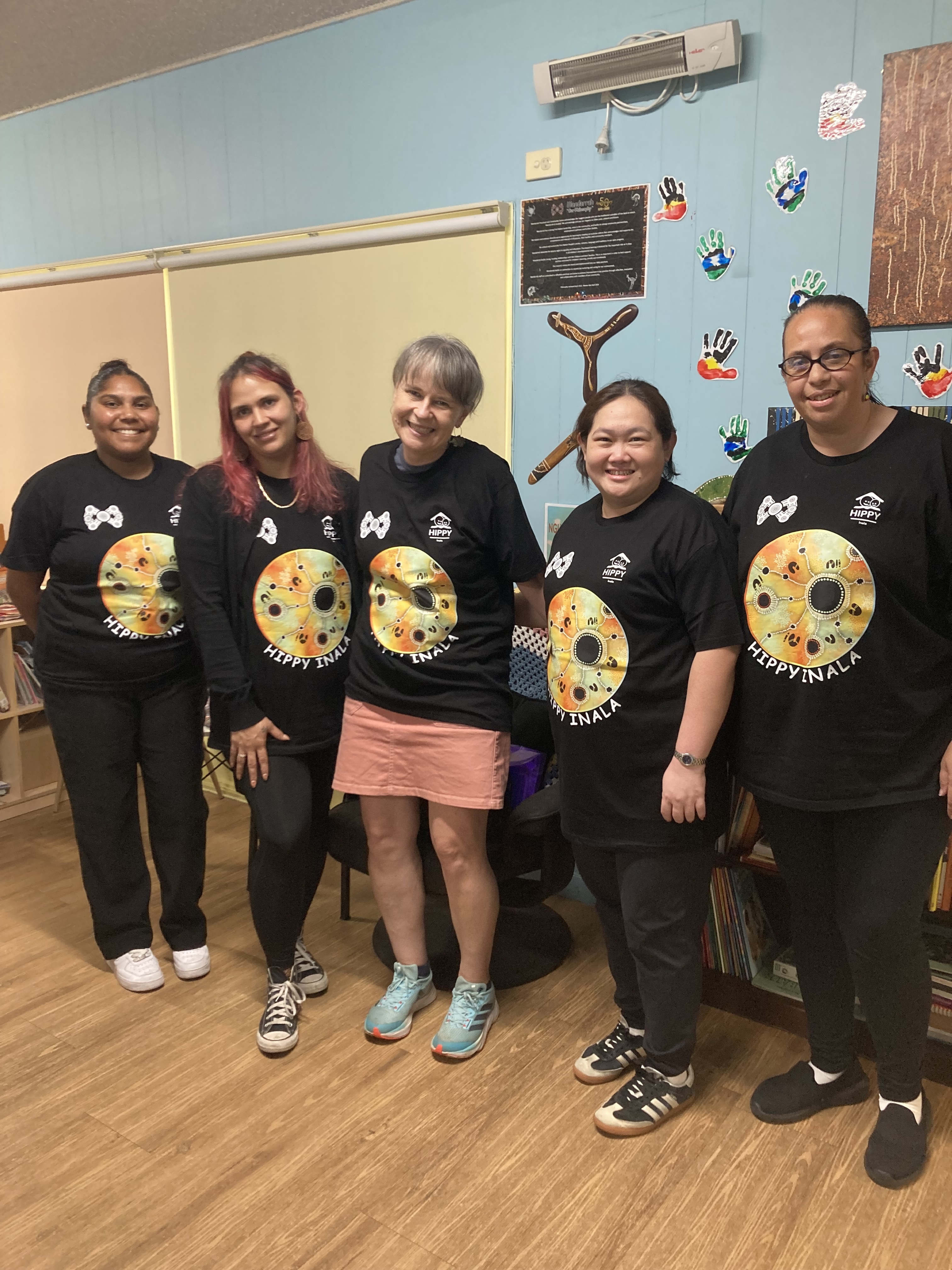 |
Because while the compliance is crucial for reporting, for me, it is very much about inclusion, equity, and belonging at every level of that relationship.
When the trust is there, the conversations are richer, and the outcomes follow.
You've recently moved into the First Nations–focused team and have been doing a lot of site visits. Walk us through what a visit typically involves.
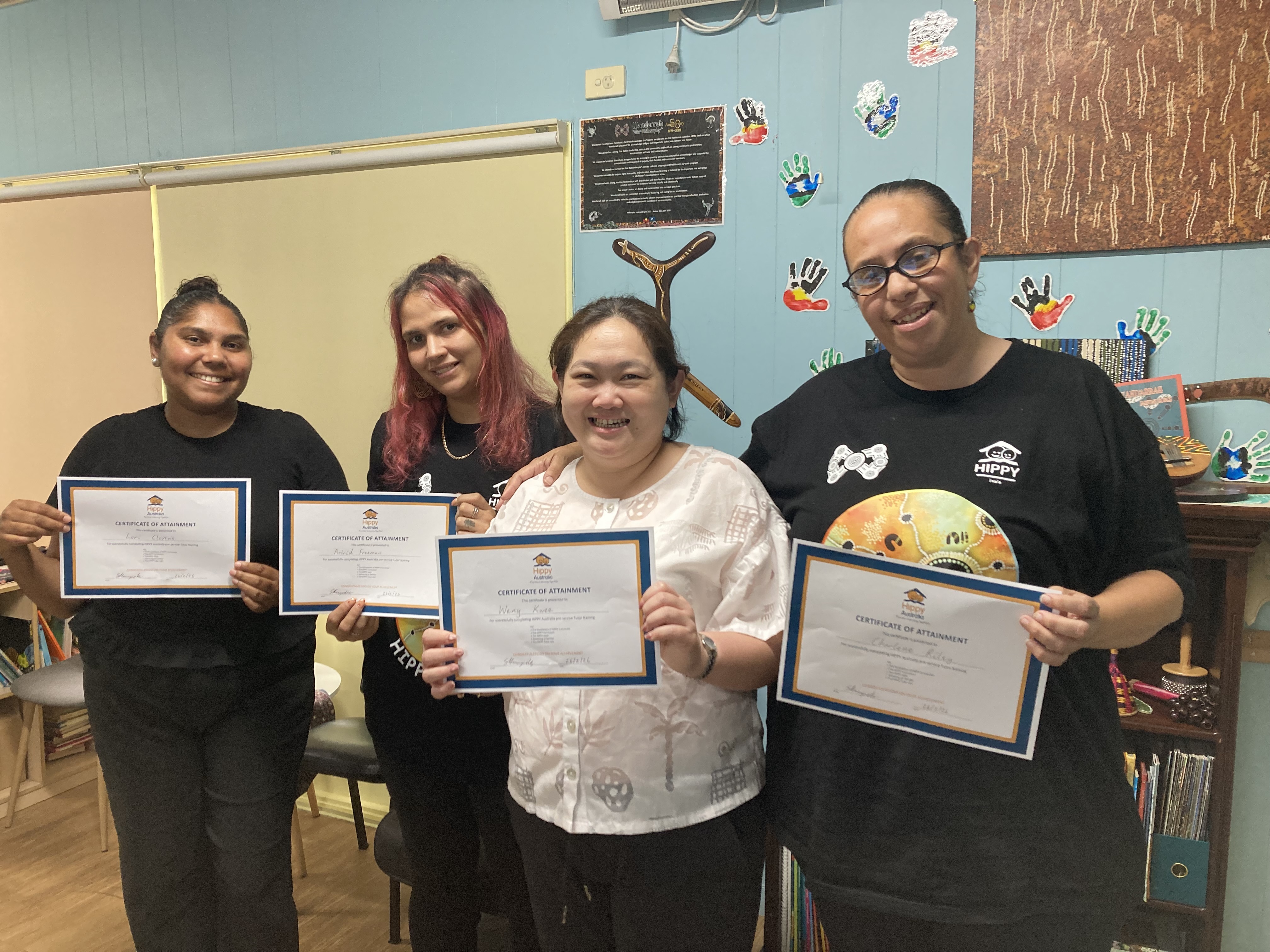
It varies depending on where a site is in their journey. For the new provider establishment visits, the focus is on getting to know the team, co-delivering pre-service tutor and coordinator training, working through the essential features of HIPPY together.
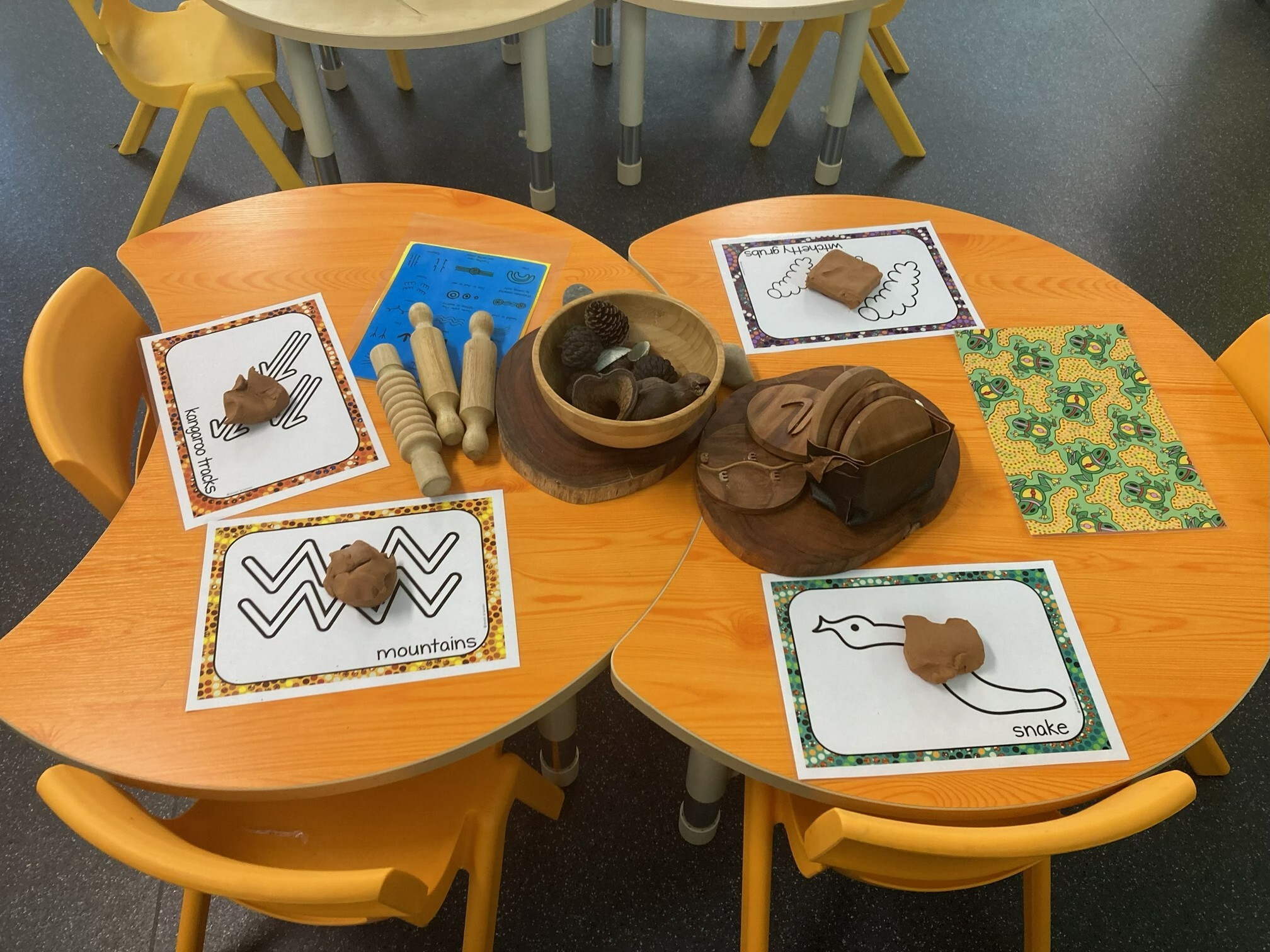 | 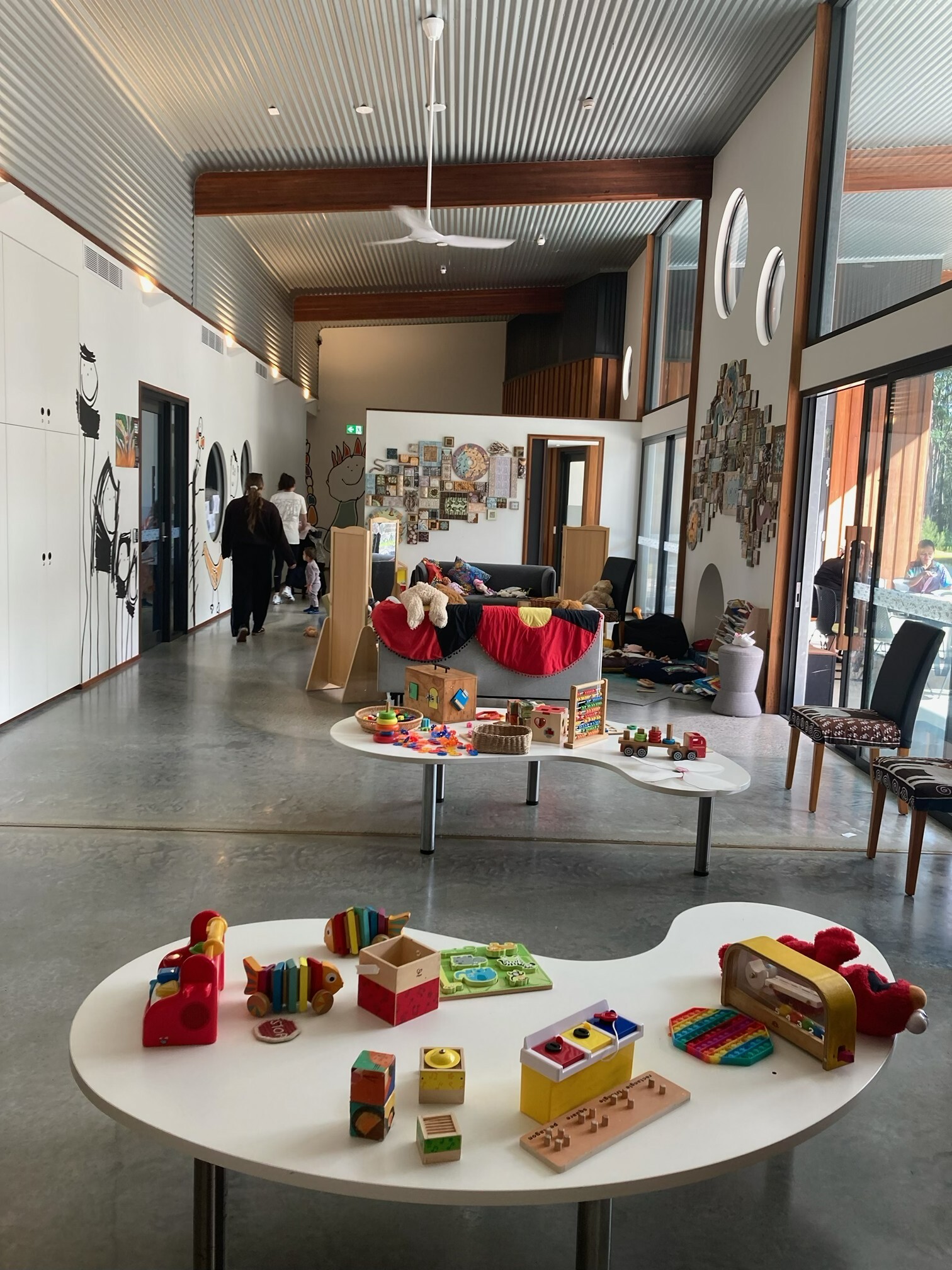 |
But it's never just ticking boxes. Some of the richest conversations happen in the margins: on the drive between venues, over lunch, when someone feels comfortable enough to say what's really on their mind. An Elder at one of my new sites put it very directly: "Too many emails...Just pick up the phone and ring me. That's how we work."
And honestly, that reminder is a gift.
It keeps me honest about meeting people where they are, not where it's convenient for me.
You recently did something called a Tri-Site Visit in Maryborough at the end of April. What was that, and why did it stand out?
I brought three First Nations sites together! They don't usually work closely with each other.
The idea was to create a shared space for cultural alignment and collaboration, to let these incredible coordinators and Elders talk to each other, not just to us.
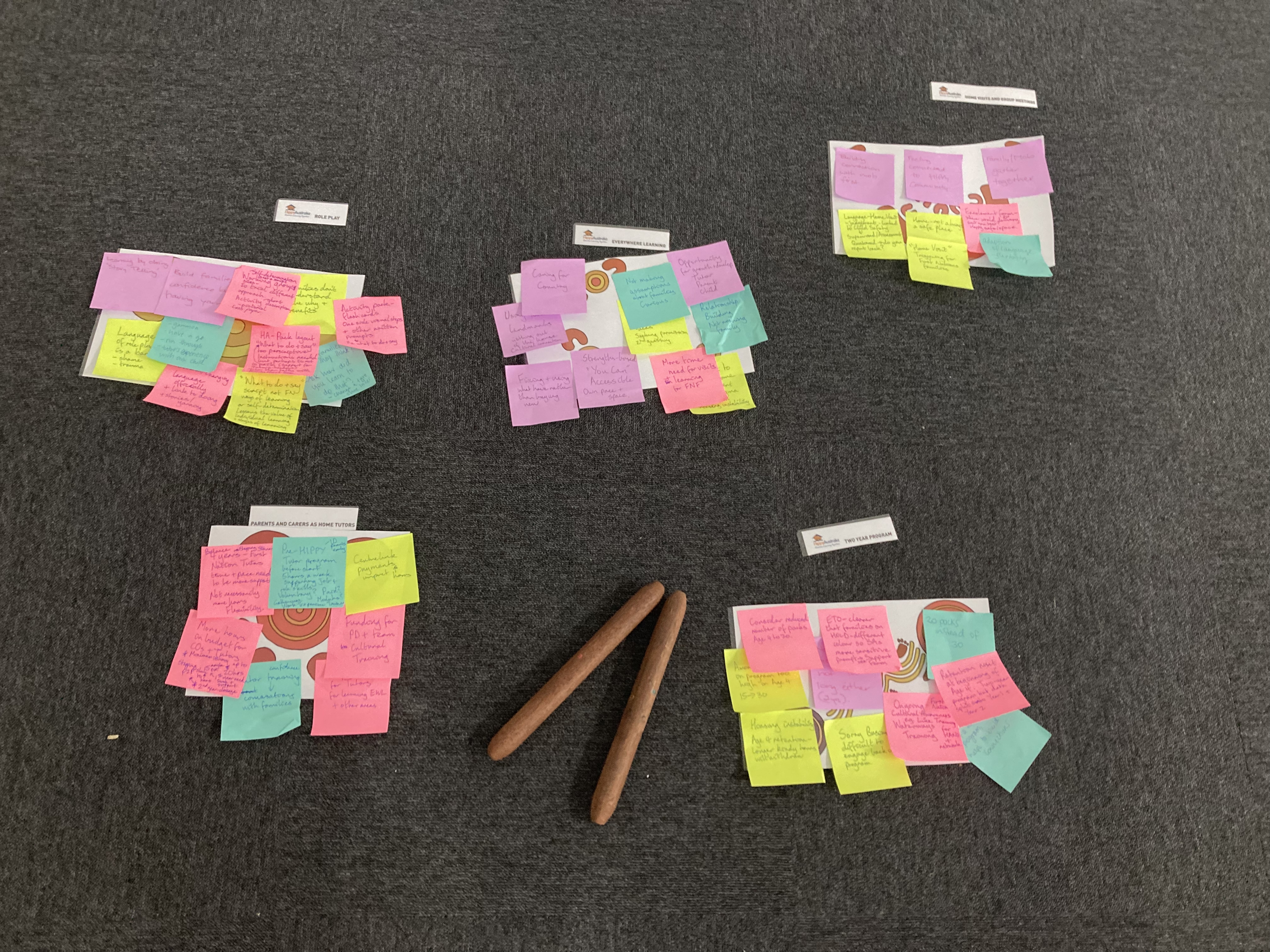
I facilitated a visual collaboration session built around three natural elements, and it was one of the most powerful things I have been part of in this role.
Land represents the early learning environment across all cultures (the deep connections between people, learning, and children's voices)
Water being our culturally responsive programming (adapting language, choosing the right meeting spaces, and sharing diverse styles of knowledge)
Sky represents our opportunities for network collaboration and local service connections.
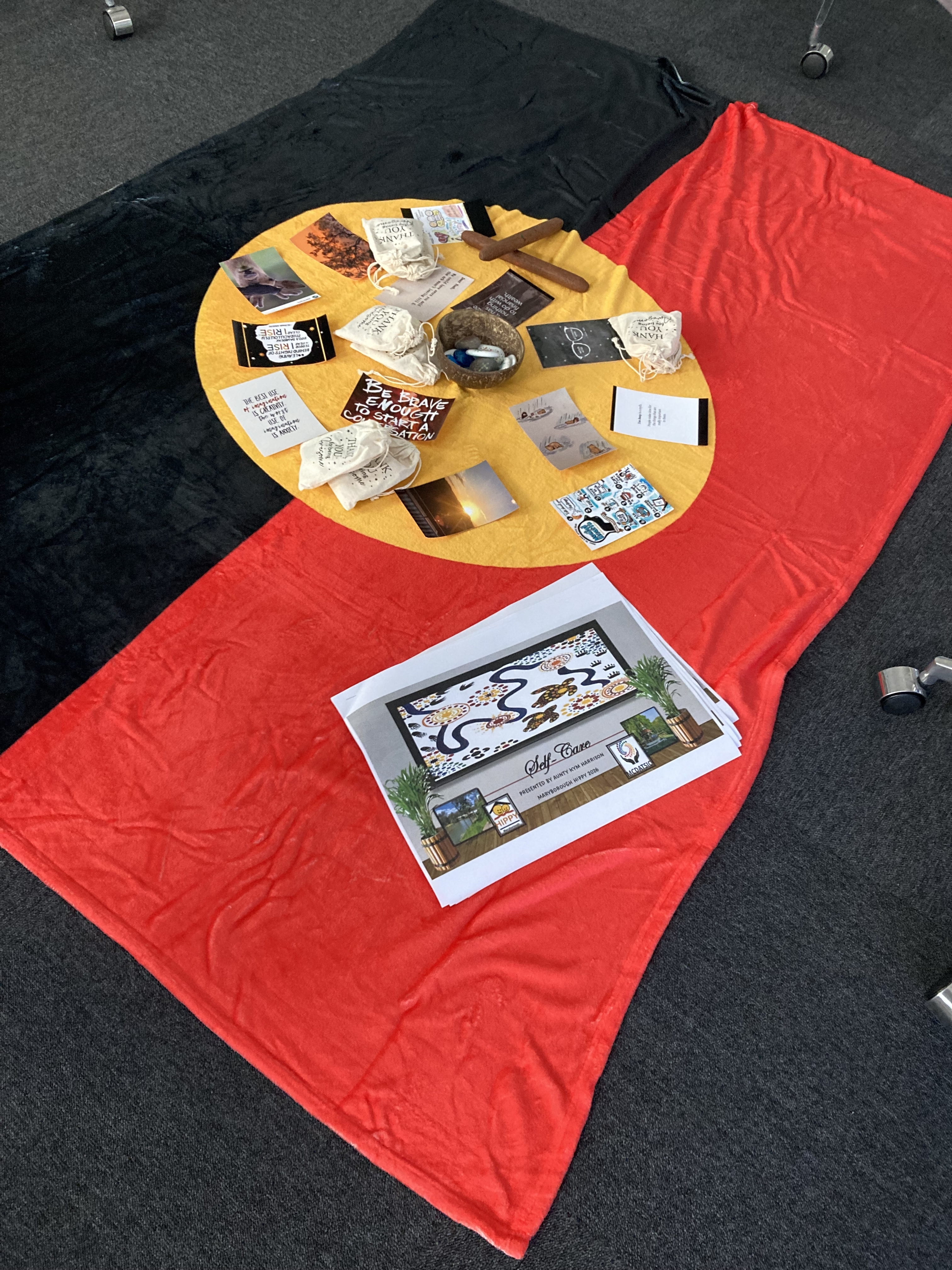 |  |
What struck me most was how many of the ideas that came up weren't big, complex projects. Very simply, it is about connecting the right people with each other. Sites don't need to do everything themselves. By building strong local roots and using our collective, advocacy-driven voice, we create sustainable support systems.
The network is the resource!
Is there a person you've met through your site visits who has genuinely shifted how you think about this work?
Aunty Kym.
Everyone knows her, but for the uninitiated, she is an Elder in the Maryborough community.
During the recent visits, an unexpected situation meant we ended up spending a lot of (unplanned) one-on-one time together.
That meant long car trips, just the two of us, and it was a privileged gift.
She was open about watching me carefully at first, working out whether I was gammin or walking my values.
That kind of honest relationship-testing is something I deeply respect
Aunty Kym carries enormous responsibility with absolute grace. She is fostering a young daughter, alongside her adult sons, and she speaks about it as something that has brought unexpected joy and energy into her life. Her strength-based, faith-grounded view of the world completely re-centred me.
She reminded me that sustainable change requires patience, authentic presence, and the willingness to be seen
What is one thing you do to make sure your colleagues at the National Office feel connected and included?
I try to be someone who shares, be it ideas, resources, or tools that I've picked up on the ground.
If something works at a site, the whole team should know about it!
And on a very human level, I make a point of celebrating birthdays and milestones
It sounds small, but acknowledging people as whole humans, not just colleagues, builds the kind of safety that lets everyone show up authentically.